Water on the floor, dripping through the ceiling or backing up from a drain? Don't panic, and don't start tearing things out yet. What you do in the next hour decides how much of your home has to be replaced later. This checklist walks Fort Myers homeowners through each step, in order.
Call 239-356-3708 answered 24/7
Water Damage in Your Fort Myers Home Right Now? Start Here
Safety first: cut power to wet areas and keep people away from sagging ceilings and sewage.
Stop the water at the fixture or the main shut-off, then photograph everything before cleanup.
Start drying the same day. Clean water can turn into contaminated Category 2 water within 24 to 48 hours.
The first-hour checklist
Minutes 0 to 5: Make it safe
Turn off power at the breaker to any room where water touches outlets, cords, appliances or a light fixture. If the breaker panel is wet or you'd have to stand in water to reach it, don't. Call an electrician or your utility.
Get people and pets out from under any sagging or bulging ceiling.
Keep everyone away from sewage. Toilet, drain or floodwater is Category 3 and can make people sick.
Never use a household vacuum on water.
Minutes 5 to 10: Stop the water
Close the fixture valve under the sink or behind the toilet if that's the source.
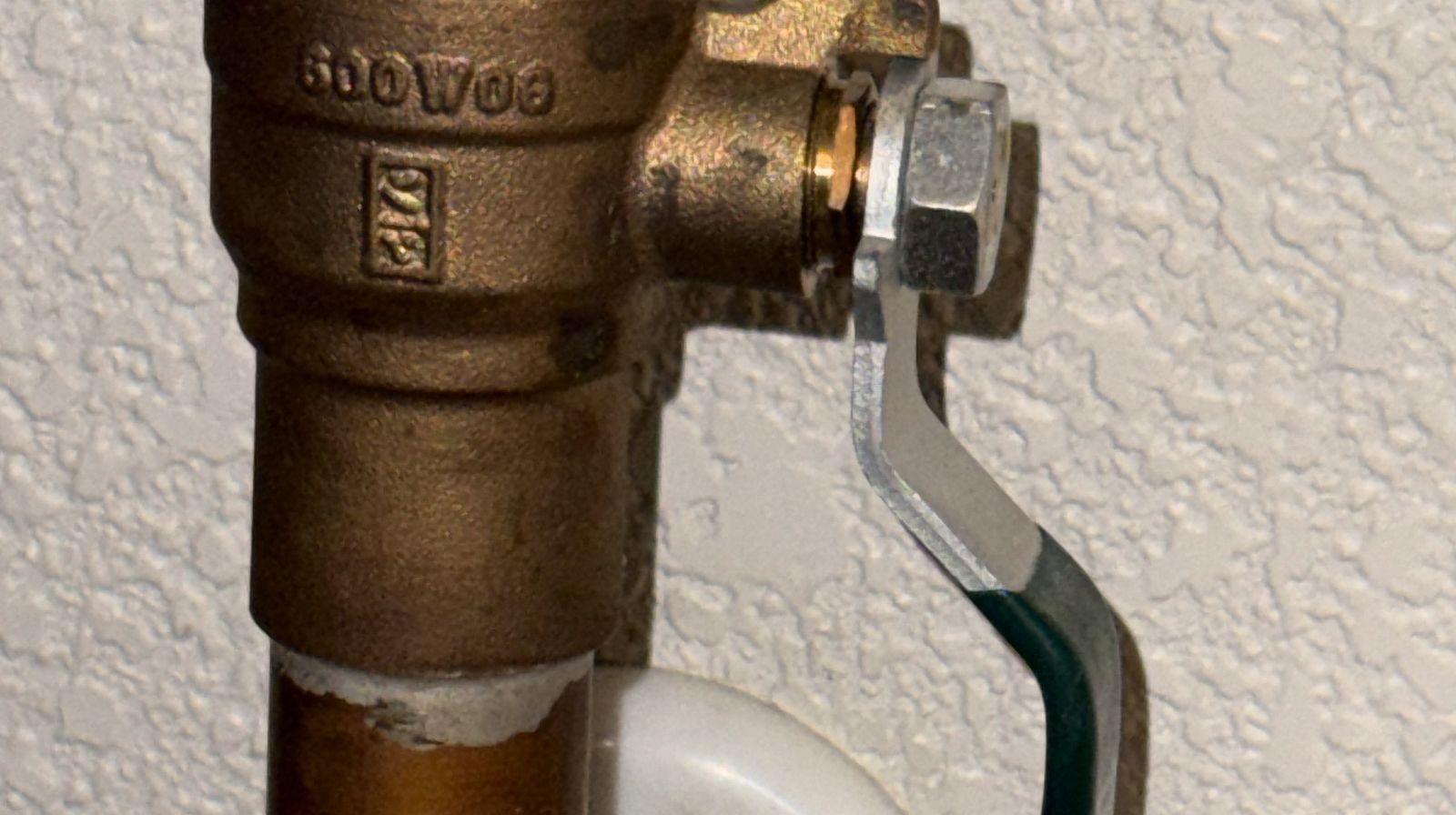
Turn off the main water shut-off if you can't find the source or the fixture valve won't close. In most Fort Myers slab homes it's near the water meter at the street or where the line enters the house, often by the garage.
For an AC leak, turn the system off at the thermostat.
For a water heater, turn off the cold-water valve on top and the power or gas to the heater.
For a sewage backup, stop using all water in the house: no flushing, showers, laundry or dishwasher.
For rain or a roof leak, you can't stop it from inside. Catch the water and protect what's below.
Minutes 10 to 20: Photograph and record
Take wide photos of every wet room, then close-ups of the water line on walls, stains, the source and damaged belongings.
Record a short video walking through the house.
Write down the time you found the water and what you saw.
Keep damaged items until your insurer says you can throw them out, or photograph them first if they must go.
Minutes 20 to 40: Protect your home and belongings
Move rugs, electronics, papers and small furniture out of the water.
Put foil or plastic under furniture legs so wood and fabric don't wick water.
Hang up wet rugs and drapes away from walls.
Open cabinet doors under sinks so air can reach the wet base.
Keep the AC running if it's safe and not the source. It helps pull humidity down. Don't open windows on a humid Florida day; it usually adds moisture.
Minutes 40 to 60: Get drying started and report it
Call for water damage drying. Standing water and hidden moisture in walls, under tile and in the slab need commercial equipment and moisture readings.
Call a plumber, roofer or HVAC technician to fix the source if it isn't already fixed.
Report the loss to your insurer. Florida requires you to give notice of a new property claim within one year of the date of loss, but reporting the same day is always better.
If you live in a condo, tell building management and the unit above or below.
What to do by type of water damage
| What happened | First move | Next step |
|---|---|---|
| Burst pipe or supply line | Close the fixture valve or main shut-off | Burst pipe cleanup |
| AC leaking through the ceiling or closet | Turn the AC off at the thermostat | AC leak water damage |
| Water dripping from the ceiling | Cut power to wet fixtures; stay out from under it | Ceiling leak help |
| Toilet, tub or drain backing up | Stop using water in the house | Sewage backup cleanup |
| Leak from the condo above | Alert the neighbor and management | Condo water damage |
| Floodwater or storm surge | Stay out until it's safe; watch for electrical and gas hazards | Flood and storm cleanup |
| Water heater leaking | Close the cold-water valve; cut power or gas | Emergency water removal |
What not to do
- Don't walk into standing water with the power on.
- Don't use a household vacuum or regular mop on large amounts of water or any sewage.
- Don't turn on ceiling fans or lights in rooms with wet ceilings.
- Don't start tearing out drywall or flooring before you photograph it.
- Don't paint over stains or re-lay flooring until moisture readings confirm the area is dry.
- Don't wait to see if it dries on its own. In Southwest Florida humidity, hidden water in walls and under tile rarely does before mold starts.
- Don't sign anything you don't understand. Ask for a written estimate before work beyond emergency water removal.
Why the first 48 hours matter so much in Florida
| Time | What happens |
|---|---|
| First hours | Water spreads under baseboards, tile and vinyl plank; drywall wicks water upward |
| 24 to 48 hours | Clean water can become contaminated; mold can start in humid conditions |
| After 2 days | Particle board cabinets and baseboards swell for good; flooring cups or lifts; odors set in |
| After a week | More material has to be removed, drying takes longer and costs rise |
Fort Myers homes are mostly built on concrete slabs and the air stays humid most of the year. Water spreads sideways under flooring and stays trapped, which is why fast extraction and structural drying matter more here than in drier climates.
What to have ready when you call
- The address and the best phone number to reach you
- What happened and when you found it
- Where the water came from, if you know
- Which rooms are wet and roughly how much
- Whether the water is clean, from an appliance, or sewage or floodwater
- Whether the power and water are off
- Your insurance company and policy number, if you plan to file a claim
- For condos: building management's contact information
What happens in the next 1 to 5 days
Day 1: water is extracted, moisture is mapped with meters and a thermal camera, materials that can't be saved are removed and drying equipment is set.
Days 2 to 4: moisture readings are taken daily and equipment is moved as areas dry.
Day 3 to 5 for most clean-water jobs: materials reach normal dry readings and equipment is removed. Slabs, hardwood and sewage jobs take longer.
After drying: repairs to drywall, baseboards, flooring and cabinets.
Insurance steps in the first hour
- Photograph before cleanup and keep damaged items or photos of them.
- Take reasonable steps to stop further damage. Most policies expect it, and drying is one of those steps.
- Report the claim promptly. Florida's deadline for a new claim is one year from the date of loss, but early reporting helps.
- Keep every receipt for emergency work, supplies and any hotel stay.
- Know the assignment-of-benefits rule. For Florida policies issued on or after January 1, 2023, you can't sign your insurance benefits over to a contractor after a loss.
- Read how insurance handles water damage in Florida, and see typical water damage costs.
Printable first-hour checklist
- Power off to wet areas at the breaker
- People and pets away from sagging ceilings and sewage
- Water off at the fixture or main shut-off
- AC off if it's the source
- Photos and video of every wet area and the source
- Time written down
- Belongings moved and furniture lifted
- Cabinet doors opened, rugs hung up
- Drying company called
- Plumber, roofer or HVAC called for the source
- Insurer notified
- Condo management or neighbors told, if it applies
Questions about the first hour after water damage
Should I call my insurance company or a restoration company first?
Stop the water first. Then start drying and report the claim as soon as you can. Most policies expect you to take reasonable steps to prevent more damage, and waiting for an adjuster before drying usually makes the damage worse.
Should I turn off the electricity?
Turn off power at the breaker to any room where water touches outlets, cords or appliances, if you can reach the panel without standing in water. If the panel is wet, stay away from it and call an electrician or the utility.
Where is the main water shut-off in a Florida house?
Usually near the water meter at the street or where the main line enters the house, often close to the garage or an outside wall. Some homes also have a valve in the garage. Find it before you need it.
Can I use fans and a wet vac myself?
For a small clean-water spill caught right away, yes. If water reached under flooring, into walls, under cabinets or came from a toilet or drain, it needs commercial drying and moisture readings.
Can I stay in my home?
Usually yes after a clean-water leak. Stay out of rooms with sewage, floodwater or a sagging ceiling, and leave if the power can't be made safe.
Who do I call for water damage at night in Fort Myers?
Call 239-356-3708. It's answered 24/7, including nights and weekends, for Fort Myers, Cape Coral, Lehigh Acres, North Fort Myers, Fort Myers Beach, Estero and Bonita Springs.
Should I turn off the electricity if there's water on the floor?
Yes, at the breaker for the affected rooms, but only if you can reach the panel without standing in water. If the panel is wet or you'd have to walk through water to reach it, stay out and call the power company.
Can I use a regular vacuum to suck up water?
No. A household vacuum isn't built for water and can shock you or burn out. A wet/dry shop vac works for small amounts; larger amounts need professional extraction equipment.
Water damage happening now?
Make it safe, stop the water, take photos and call. The first hour is when the most can still be saved.
Call 239-356-3708 answered 24/7