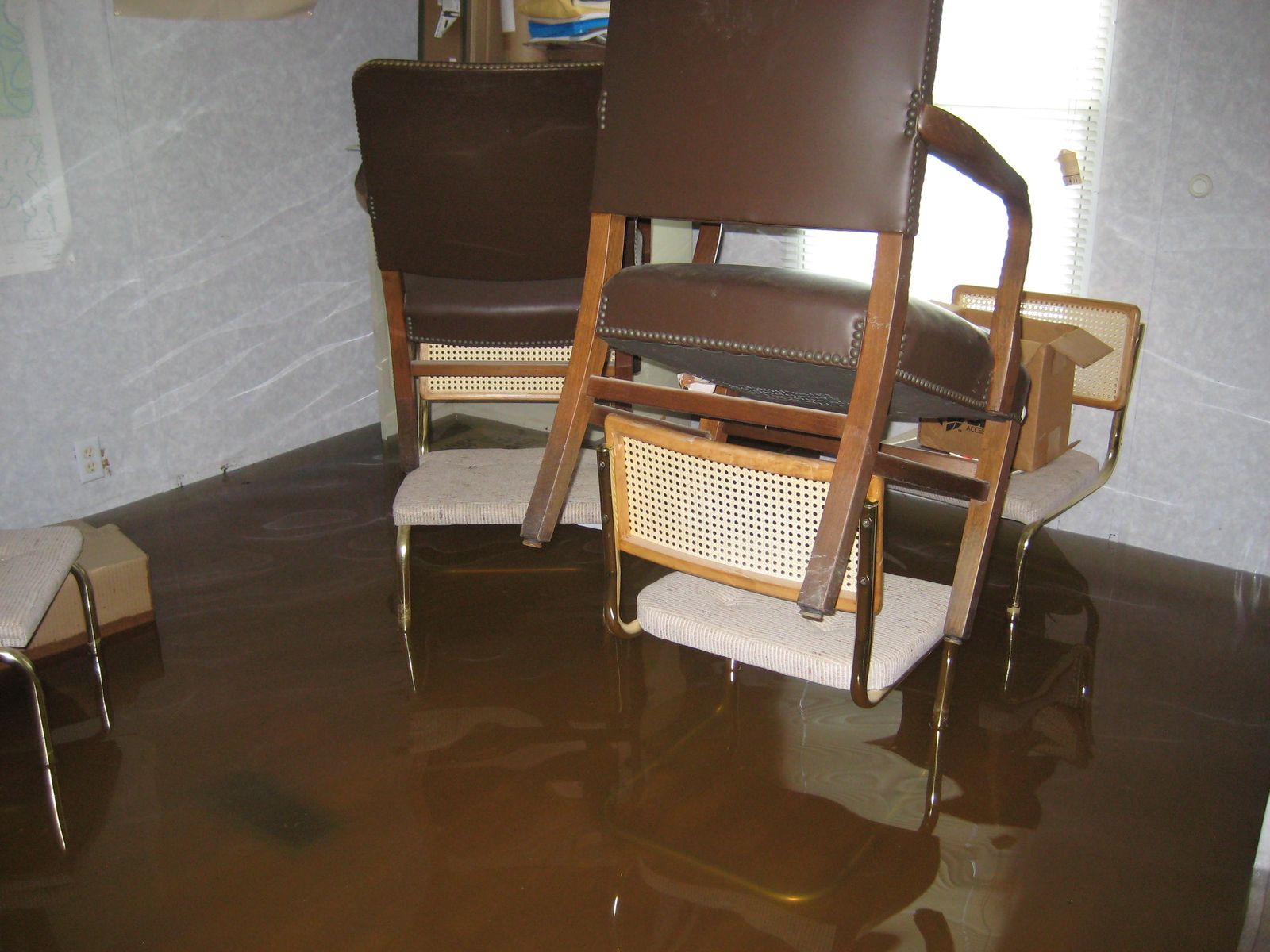
24/7 Emergency Water Damage Help for Fort Myers Businesses
- Commercial losses often involve larger areas, more people and a landlord, tenant or association, so clear documentation matters from the start.
- Drying can often be planned around business hours to reduce downtime.
- Business interruption coverage, if you have it, depends on the cause of the loss and your policy terms.
Water damage at your business right now? Do this first
- Make it safe. Keep staff and customers away from wet areas, wet outlets and sagging ceilings.
- Stop the water at the fixture, the riser or the building's main valve. If you lease, call the landlord or property manager.
- Cut power to wet areas at the breaker, or have an electrician do it if the panel is wet.
- Protect what you can: move inventory, records, computers and equipment off the floor.
- Photograph and video everything before cleanup, including damaged stock and equipment.
- Notify your landlord, association and insurer as soon as you can.
- Start drying the same day. Mold can start within 24 to 48 hours in Florida humidity.
Every step in one list: the first-hour water damage checklist.
Businesses and properties we help with
| Property type | Common water damage |
|---|---|
| Offices and medical offices | AC drain leaks, burst supply lines, roof leaks, restroom overflows |
| Restaurants and bars | Dishwasher and ice machine leaks, grease trap and drain backups, walk-in cooler leaks |
| Retail stores | Roof leaks, AC leaks, sprinkler line leaks, flooding through doors |
| Vacation and long-term rentals | Leaks between guests, AC overflows, water heaters, toilets |
| Condo and HOA buildings | Leaks between units, risers, common areas |
| Churches, schools and community buildings | Roof and storm leaks, plumbing failures, AC leaks |
| Warehouses and flex space | Roof leaks, storm flooding, fire sprinkler leaks |
How commercial water damage restoration works
- Assessment. The source is identified, the water category is determined, and the affected area is mapped with moisture meters and thermal imaging.
- Water extraction. Standing water is removed with emergency water removal equipment.
- Removal of unsalvageable materials, such as soaked carpet pad, ceiling tiles, wet insulation and the lower part of drywall when needed.
- Cleaning and antimicrobial treatment, especially for gray water and any sewage.
- Drying with commercial dehumidifiers and air movers, with readings logged daily until the building meets a measured dry standard. See how structural drying works.
- Documentation for owners, landlords and insurers: photos, moisture maps and drying logs.
- Repairs and reopening.
Keeping your business open during drying
- Section off wet areas so the rest of the space can stay open where it's safe.
- Schedule noisy work like demolition after hours when possible.
- Plan equipment placement around exits, walkways and customers.
- Restaurants: food areas that took contaminated water need to be cleaned before food service resumes. Check with your health inspector if you're unsure.
Sewage and contaminated water in commercial buildings
Restroom overflows, drain backups and floodwater are Category 3, the most contaminated type of water. Porous materials they touch are removed, hard surfaces are cleaned and disinfected, and the area is kept closed to staff and customers until it's done. See sewage backup cleanup.
Storm and flood damage to commercial property
After hurricanes, many Lee County businesses deal with both roof leaks and rising water. Wind-driven rain through a damaged roof is usually covered under the property policy; rising water and storm surge usually need flood coverage. See flood and storm cleanup.
Landlords, tenants and property managers
Commercial leases often say who's responsible for the building, the build-out and the contents. As a general rule:
- The landlord usually handles the building structure and systems.
- The tenant often handles their improvements, contents and inventory.
- Both should document everything, notify each other quickly and agree on who's calling for drying.
Check your lease and your policies, since every lease is different.
Vacation rentals and short-term rentals
A leak between guests can mean a canceled booking and an unhappy guest. A vacation rental needs to be dried quickly and documented clearly for the owner. Leaks in rentals often come from AC drains, water heaters, toilets and washers. If the property sits empty between bookings, see water damage in vacant homes.
Documenting a commercial water loss
- Photos and video of every affected area before cleanup
- A list of damaged inventory, equipment and furniture with values
- Moisture readings and drying logs
- Invoices for emergency services
- Records of lost business days and income, if you have business interruption coverage
- Notes of who you contacted and when
How much does commercial water damage cleanup cost?
Commercial jobs are priced on the same drivers as homes: water category, square footage, materials and drying days, plus access, after-hours work and the size of the space. These are national 2026 ranges.
| Work | Typical 2026 range |
|---|---|
| Category 1 extraction and drying | $3 to $4 per sq ft |
| Category 2 extraction and drying | $4 to $6.50 per sq ft |
| Category 3 (sewage or floodwater) | $7 to $7.50+ per sq ft |
| Emergency water extraction | $500 to $2,000 |
| Antimicrobial treatment | $200 to $600 |
These are national ranges, not a quote; your price is set after an inspection and should be in writing. See the full water damage cost guide.
Insurance for commercial water damage
- Commercial property policies often cover sudden water damage, such as a burst pipe, subject to exclusions.
- Flood usually needs a separate flood policy.
- Business interruption coverage, if you have it, may pay for lost income while you're closed due to a covered loss.
- Tenants usually need their own policy for contents and improvements.
What to expect on a commercial job
- One point of contact who keeps owners, managers and tenants informed.
- Daily moisture readings shared with whoever needs them.
- Clear signage and containment around wet and work areas.
- A written scope and estimate before work beyond emergency extraction.
- A final report with photos, readings and drying logs for your records and your insurer.
Common causes of commercial water damage in Lee County
- AC condensate drains in drop ceilings and rooftop units
- Restroom supply lines and flush valves
- Ice machines, dishwashers and coffee equipment in restaurants and break rooms
- Water heaters in utility closets
- Fire sprinkler line leaks or accidental discharge
- Roof leaks and wind-driven rain after storms
- Floodwater coming through doors in low-lying plazas
Ceiling tiles and drop ceilings
Many offices and stores have drop ceilings with acoustic tiles. Wet tiles sag and stain and are usually replaced, but the bigger concern is what's above them: insulation, ductwork, wiring and the roof deck or floor above. A wet ceiling tile is a sign to find the source above it. See ceiling leak help.
Questions about commercial water damage
Can you work after hours so we can stay open?
Drying equipment runs around the clock, but much of the work, such as removal and setup, can often be scheduled to reduce disruption. Ask when you call.
Who's responsible for water damage in a leased commercial space?
It depends on the lease. The landlord usually handles the building, and the tenant usually handles improvements and contents. Notify each other and your insurers right away.
How long does commercial water damage drying take?
Clean-water drying usually takes about 3 to 5 days. Larger buildings, contaminated water and flooring that has to be removed can take longer.
Is business interruption covered for water damage?
Only if your policy includes it and the loss is covered. Keep records of lost days and income in case it applies.
Do you handle vacation rental water damage between guests?
Yes. Call 239-356-3708, answered 24/7, and say when the next guests arrive so the work can be planned.
What should a restaurant do after a water leak or backup?
Stop the source, keep staff out of contaminated areas, photograph everything and call. Food areas affected by contaminated water must be cleaned and sanitized before reopening.
Who handles commercial water damage in Fort Myers?
Call 239-356-3708, answered 24/7, for offices, stores, restaurants and rentals in Fort Myers, Cape Coral, Lehigh Acres, Estero and Bonita Springs.
Do you work with property managers and HOAs?
Yes. Property managers and associations can call 239-356-3708 for common areas, units and commercial spaces across Lee County.
Water damage at your business?
Make it safe, stop the water, take photos and call. The faster drying starts, the faster you reopen.
Call 239-356-3708 answered 24/7