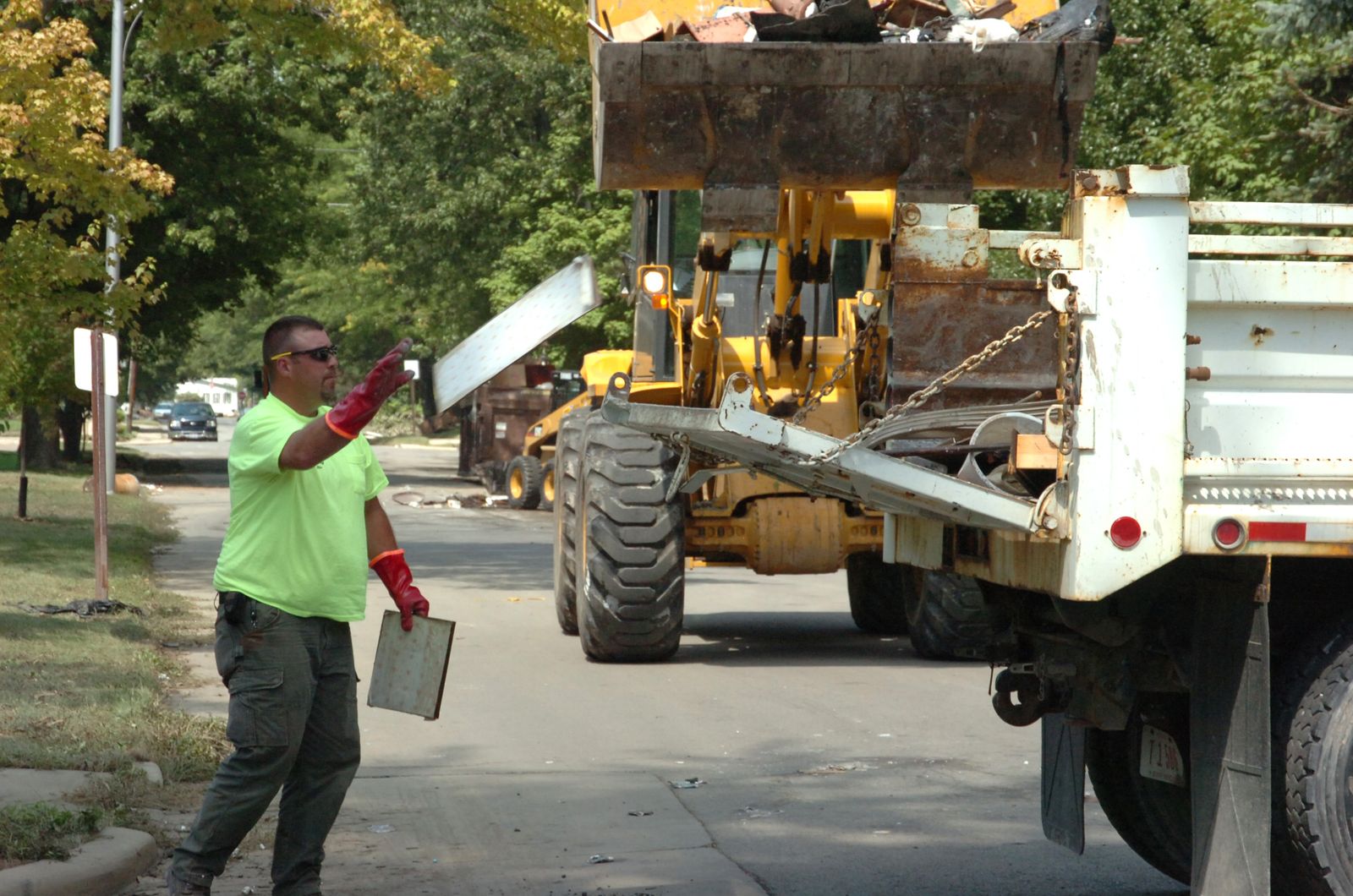
Storm and Flood Cleanup for Fort Myers and Lee County Homes
Go back in only when officials say it's safe, with the power off and no smell of gas.
Floodwater is Category 3: wet drywall, insulation, carpet and particle board usually have to come out.
Rising water is covered by a flood policy, not standard homeowners insurance; photograph everything before mucking out.
Before you go back inside
- Wait for the all-clear from Lee County or your city before returning to a flooded area.
- Keep the power off. If water reached outlets or the panel, have an electrician check it before the power is turned back on.
- Smell for gas. If you smell it, leave and call the gas company from outside.
- Never run a generator indoors or in a garage. Carbon monoxide kills.
- Wear protection: rubber boots, gloves, long sleeves and an N95 mask.
- Watch for hazards: sagging ceilings, broken glass, nails, and wildlife that came in with the water.
- Photograph and video everything before you move or throw anything away, including the water line on the walls.
More first steps: the first-hour water damage checklist.
Why floodwater cleanup is different from a leak
A burst pipe leaks clean water. Floodwater from storm surge, overflowing canals, rivers and street flooding picks up sewage, chemicals, fuel and debris on the way in. It is classed as Category 3, the most contaminated type of water.
That changes the job:
- Porous materials it touched are removed, not dried in place.
- Hard surfaces are cleaned and disinfected before drying.
- Crews wear protective gear and contain the work area.
- Drying comes after removal, not instead of it.
If the flooding came from a sewer backup inside the house rather than from outside water, see sewage backup cleanup.
Flood cleanup step by step
- Water removal. Standing water is pumped and extracted with emergency water removal equipment.
- Muck-out. Wet carpet, pad, furniture and debris are removed and bagged or set out for county debris pickup.
- Flood cuts. Drywall is cut in a straight line above the highest wet point, usually about 2 feet or 4 feet up, and wet insulation behind it is removed.
- Remove swollen materials. Particle board cabinets and vanities, baseboards, door casings and wet trim usually come out.
- Clean and disinfect the slab, studs and remaining surfaces, then apply antimicrobial.
- Dry the structure with dehumidifiers and air movers, logging readings until the framing and slab are dry. See structural drying.
- Rebuild once everything reads dry: insulation, drywall, trim, cabinets and flooring.
2-foot vs 4-foot flood cuts
| Water height on the wall | Typical cut |
|---|---|
| A few inches to about 1 foot | About 2 feet, to get above the wicking line |
| 1 to 3 feet | About 4 feet, which also matches a half sheet of drywall |
| Higher | Above the highest wet reading, often full-height walls |
Water wicks up drywall well above the visible water line, so the cut is set by moisture readings, not just the stain.
What to keep and what to throw out after a flood
| Item | After floodwater contact |
|---|---|
| Carpet and pad | Discard |
| Mattresses, upholstered furniture, pillows | Usually discard |
| Drywall and insulation below the cut | Discard |
| Particle board furniture and cabinets | Usually discard |
| Solid wood and metal furniture | Clean, disinfect and dry; may be saved |
| Clothing and fabrics | Professional cleaning may save some |
| Food, medicines and cosmetics that touched floodwater | Discard |
| Photos and important papers | Rinse gently, freeze or air-dry; get professional help for valuables |
Photograph everything before it goes to the curb and keep a list for your flood claim.
Flood risk in Lee County
Southwest Florida's flood risk is real and recent. Hurricane Ian in 2022 pushed catastrophic storm surge onto Fort Myers Beach, Sanibel, Captiva and Pine Island, and Hurricanes Helene and Milton in 2024 brought more surge and flooding to Lee County.
Areas that often see flooding include:
- Fort Myers Beach, Sanibel, Captiva and Pine Island: storm surge on the barrier islands
- Iona, McGregor and homes along the Caloosahatchee River: surge and river flooding
- Cape Coral canal-front homes: surge pushed through the canal system. See water damage restoration in Cape Coral.
- Bonita Springs near the Imperial River: river flooding after heavy rain
- Low-lying neighborhoods across Lee County: street flooding during heavy summer storms
Manufactured homes take on floodwater in the belly and floor system; see mobile home water damage.
Local flood guides: Fort Myers Beach, Bonita Springs and North Fort Myers. Businesses: see commercial water damage.
Storm water that came in from above
Not all storm damage rises from the ground. Hurricanes and heavy summer storms also push water in through roofs, soffits, windows and sliding doors. That water usually starts as clean rainwater, but it soaks attic insulation, ceilings and walls and needs the same fast drying. See ceiling leak help. After a storm, many homes have both: rising water at floor level and roof leaks overhead, which are often handled under different insurance policies.
Getting ready before the next storm
- Photograph every room now, so you have a record of the house before any damage.
- Move valuables, papers and electronics up high when a storm is forecast.
- Know where your main water, power and gas shut-offs are.
- Check whether you have flood insurance well before hurricane season, since new policies usually wait 30 days to start.
- Clear gutters and drains and secure loose items outside.
- Have a plan for a seasonal home, including who checks it after a storm.
Hurricane season in the Atlantic runs from June 1 to November 30.
How much does flood cleanup cost?
Flood cleanup is Category 3 work, so it costs more per square foot than a clean leak. These are national 2026 ranges.
| Work | Typical 2026 range |
|---|---|
| Category 3 extraction, removal and drying | $7 to $7.50+ per sq ft |
| Heavy contamination | About $7 to $16 per sq ft |
| Emergency water extraction | $500 to $2,000 |
| Drying equipment, whole job | $800 to $3,000 |
| Drywall removal and replacement | $1.50 to $3 per sq ft |
After a major storm, demand for crews and equipment across Lee County is high. These are national ranges, not a quote; your price is set after an inspection and should be in writing. See the full water damage cost guide.
Flood insurance basics
- Standard homeowners policies don't cover flood. Rising surface water, storm surge and overflowing canals are covered by a flood policy from the National Flood Insurance Program (NFIP) or a private insurer.
- New NFIP policies usually have a 30-day waiting period, so coverage bought when a storm is forecast is usually too late.
- Wind vs water: rain driven in through a storm-damaged roof or window is usually a homeowners claim; rising water is a flood claim. Many hurricane losses involve both.
- Areas below elevated homes often have limited flood coverage for contents and finishes. Check your policy if your living space is elevated over a ground-level enclosure.
- Document before you muck out: photos, video, the water line on the walls and a list of damaged items.
Questions about flood cleanup
Is floodwater dangerous?
Yes. Floodwater is Category 3 water that can carry sewage, bacteria, chemicals and debris. Wear boots, gloves and a mask, and keep children and pets out of flooded areas.
How soon should I start flood cleanup?
As soon as officials say it's safe to return and the power is safe. Mold can start within 24 to 48 hours in Florida humidity, so mucking out and drying should start right away.
Do I have to cut out drywall after a flood?
Usually yes. Drywall and insulation soaked by floodwater are removed above the wet line, typically with a 2-foot or 4-foot flood cut, so the wall cavity can be cleaned and dried.
Does homeowners insurance cover storm surge?
No. Storm surge and rising water are flood damage, covered by a separate flood policy. Wind and wind-driven rain damage is usually a homeowners claim.
Can I clean up flood damage myself?
You can remove wet belongings and carpet with proper protection. Removing drywall, disinfecting and drying the structure to a measured dry standard is safer and more reliable with professional equipment.
How long does it take to dry a house after a flood?
After removal and disinfection, drying the slab and wall framing usually takes several days, often longer than a clean-water leak. Rebuilding starts only when moisture readings are back to normal.
Who does flood cleanup on Fort Myers Beach, Sanibel or Pine Island?
Call 239-356-3708, answered 24/7, for flood and storm surge cleanup on Fort Myers Beach, Sanibel, Pine Island and across Fort Myers, Cape Coral, Estero and Bonita Springs.
Should I wait for the adjuster before cleaning up flood damage?
No. Photograph and video everything, keep small samples of carpet and drywall if you can, then start mucking out. Waiting weeks lets mold grow, and policies expect you to prevent further damage.
Can I stay in my house after a flood?
Only if the power, water and structure are safe. Many families stay elsewhere while wet materials are removed and the home is dried.
Floodwater in your home?
Make sure it's safe, photograph everything and call. The faster wet materials come out and drying starts, the less mold and rebuild you'll face.
Call 239-356-3708 answered 24/7