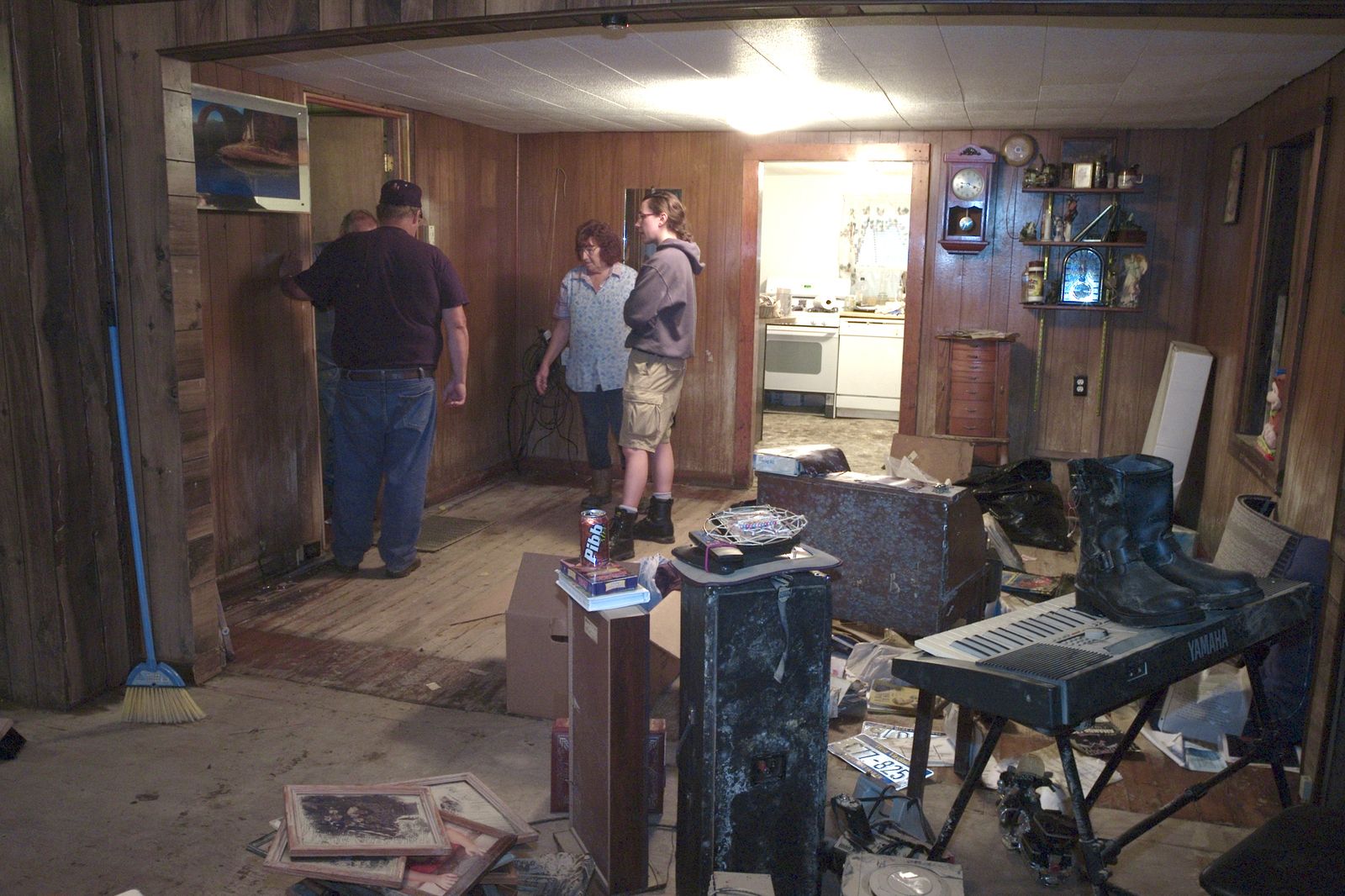
Water on the floor and no idea what happens next? Most people have never dealt with water damage before, and the not-knowing is half the stress. Here's how our Fort Myers water damage service works, from the first call to the final dry reading. No surprises, no pressure.
Call 239-356-3708 answered 24/7
24/7 Water Damage Help in Fort Myers, From First Call to Dry
- We answer 24/7, including nights, weekends and holidays.
- We confirm the details and timing with you before anyone arrives.
- Work beyond emergency water extraction starts only after you get a written estimate.
Step 1: You call
When you call 239-356-3708, you'll be asked a few quick questions:
- Your address and ZIP code
- What happened and when you found it
- Where the water came from: a supply line, appliance, AC, toilet, drain, roof or flooding
- Which rooms are wet, and roughly how big the wet area is
- Whether the water and power are off
- Whether you own or rent, and whether it's a condo
- Your insurance company, if you plan to file a claim
The answers help decide what equipment is needed and what to do while you wait. If the water is still running, you'll be walked through shutting it off.
Step 2: While you wait
Before anyone arrives, you can protect your home and your claim:
- Shut off the water at the fixture or the main.
- Cut power at the breaker to wet rooms.
- Photograph and video everything before you move or throw anything away.
- Move belongings off wet floors.
- Keep the AC running to help pull moisture out of the air.
The full list is on the first-hour water damage checklist.
Step 3: The inspection
When the technician arrives, they should:
- Confirm the source is stopped, or tell you who needs to fix it, such as a plumber, roofer or HVAC technician.
- Identify the water category: clean water (Category 1), gray water (Category 2) or contaminated water such as sewage or floodwater (Category 3). This decides what can be dried and what has to be removed.
- Measure moisture in floors, walls, cabinets and ceilings with moisture meters and often a thermal camera.
- Map the wet area, which is usually bigger than what you can see.
- Explain what they found in plain language and show you the readings.
Step 4: A written estimate
You should get a written estimate before work beyond emergency water extraction begins. It should explain:
- What will be removed and why
- What equipment will be used and for about how long
- The expected cost, based on the square footage, water category, materials and drying days
- What isn't included, such as plumbing repairs or rebuilding
If anything changes during drying, such as finding more water inside a wall, the estimate should be updated in writing and explained. See typical ranges in the water damage cost guide.
Step 5: Water removal
Standing water is pulled out with truck-mounted or portable extractors. Extraction removes far more water than drying ever could, which shortens drying time and limits damage. See emergency water removal.
Step 6: Removing what can't be saved
Some materials can't be dried in place and are removed:
- Carpet pad soaked with water
- Baseboards that have swelled
- The lower part of drywall when it's soaked, contaminated or hiding water
- Wet insulation inside walls or ceilings
- Particle board cabinet bases and shelves that have swelled
- Vinyl plank or laminate that's trapping water against the slab
Everything removed should be photographed and listed for your insurer.
Step 7: Drying
Commercial dehumidifiers and air movers are set up to dry the structure. Each day, moisture readings are taken and logged, and equipment is moved or adjusted as areas dry. Most clean-water jobs take about 3 to 5 days. Floodwater, sewage, concrete slabs and leaks that sat for a while can take longer. See how structural drying works.
During drying:
- Equipment runs around the clock and makes noise.
- Keep doors and windows closed unless told otherwise.
- Keep the AC running.
- Don't turn equipment off without asking.
Step 8: Final readings and paperwork
When readings show the materials are back to normal, drying is done. You should receive:
- Photos from before, during and after
- The moisture map and daily drying logs
- A list of materials removed
- A final invoice that matches the written estimate, or explains any changes
These records are what your insurance adjuster will want to see.
Step 9: Repairs
After drying, the drywall, baseboards, flooring and cabinets are rebuilt. Rebuilding is your decision, and you choose who does it.
What you won't be asked to do
- Sign over your insurance benefits. For Florida residential policies issued on or after January 1, 2023, post-loss assignment of benefits isn't allowed.
- Pay for work you didn't agree to in writing.
- Make a decision on the spot about rebuilding.
Insurance: how the paperwork fits
- You file the claim with your insurer and deal with your adjuster.
- Photos, moisture readings and drying logs from the job support your claim.
- Your insurer may send an adjuster to inspect the damage.
- You're responsible for your deductible and anything not covered.
- Florida rules give you deadlines to report a claim.
Mold
If mold has already grown, mold remediation should be handled by a qualified Florida mold remediator. Fast drying is the most reliable way to prevent mold in the first place.
Where we help
We cover Fort Myers, Cape Coral, Lehigh Acres, North Fort Myers, Fort Myers Beach, Sanibel, Pine Island, Estero and Bonita Springs. See all service areas.
What the water category means for your job
| Category | Examples | What usually happens |
|---|---|---|
| Category 1: clean water | Burst supply line, water heater, AC condensate caught early | Most materials can be dried in place if drying starts quickly |
| Category 2: gray water | Washer or dishwasher drain water, toilet overflow without feces | Carpet pad and porous materials often removed; surfaces cleaned and treated |
| Category 3: contaminated water | Sewage, floodwater, storm surge | Porous materials removed; surfaces disinfected; protective gear used |
Water can get worse over time. A clean leak left for days can become Category 2, which is why starting the same day matters.
What the drying equipment does
- Air movers blow air across wet surfaces so moisture evaporates faster.
- Dehumidifiers pull that moisture out of the air so it doesn't soak back into walls and floors.
- Specialty equipment can push dry air into wall cavities, under cabinets and across concrete slabs.
- Moisture meters and thermal cameras track progress, so drying ends when the readings say it's dry, not when it looks dry.
How long each stage usually takes
| Stage | Typical time |
|---|---|
| Call and questions | One short phone call |
| Inspection and estimate | Usually done at the first visit |
| Water extraction and removal | Usually the first day |
| Drying | About 3 to 5 days for clean water; longer for slabs, floodwater and sewage |
| Repairs | Depends on materials and contractors |
Questions about how it works
Do you really answer 24/7?
Yes. Call 239-356-3708 any hour, including nights, weekends and holidays.
Who will come to my home?
A water damage technician who works in your area. We confirm the details and timing with you before anyone arrives.
Do I get a price before work starts?
Yes. You should get a written estimate before work beyond emergency water extraction begins.
Do I have to use you for repairs too?
No. Rebuilding is your decision, and you choose who does it.
Will you deal with my insurance company?
You file and manage your claim. The photos, moisture readings and drying logs from the job are there to support it.
How long does the whole process take?
Most clean-water drying takes about 3 to 5 days. Repairs take longer and depend on materials and contractors.
What should I do before anyone arrives?
Shut off the water, cut power to wet rooms, photograph everything and move belongings off the floor.
Do I need to be home during drying?
Someone needs to give access for setup and daily checks. You don't have to be there all day while the equipment runs.
Can I stay in my home during drying?
Usually yes for clean-water jobs. Sewage, floodwater or large tear-outs may make some rooms unusable for a while.
What if more damage is found during drying?
The estimate should be updated in writing and explained, with photos and readings showing what was found.
What does it cost?
It depends on the water category, square footage, materials and drying days. See the ranges in the water damage cost guide; your price comes in a written estimate.
Water damage right now?
Stop the water, take photos and call. You'll know what happens at every step.
Call 239-356-3708 answered 24/7